Basant (Kite-Festival)

Description

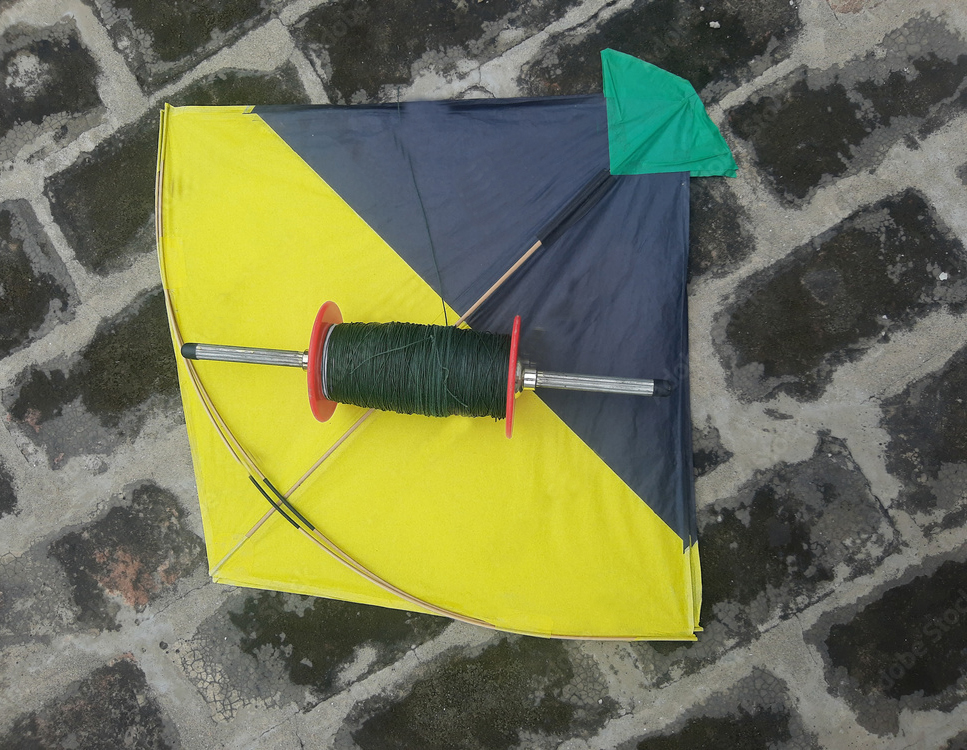
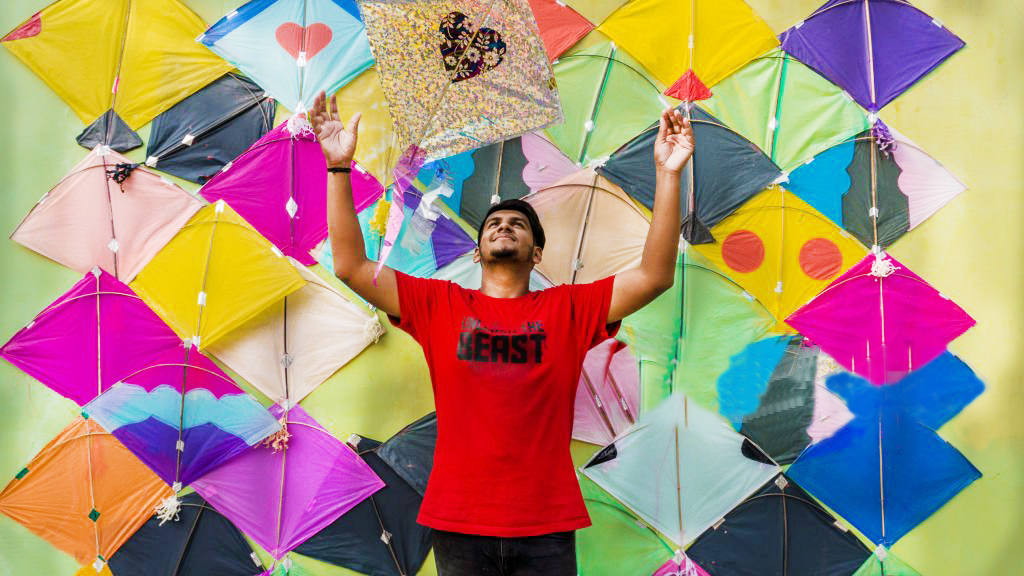
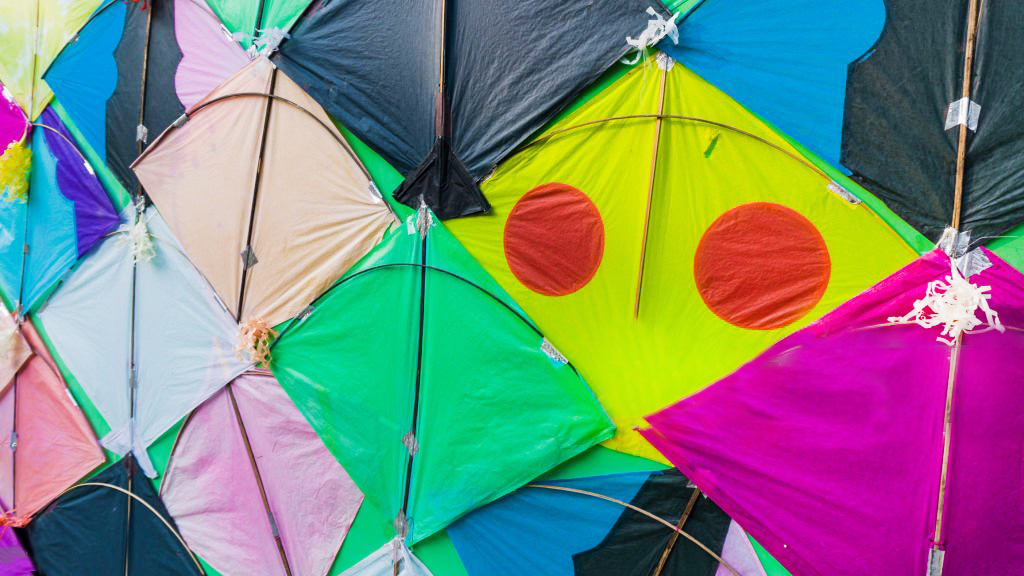
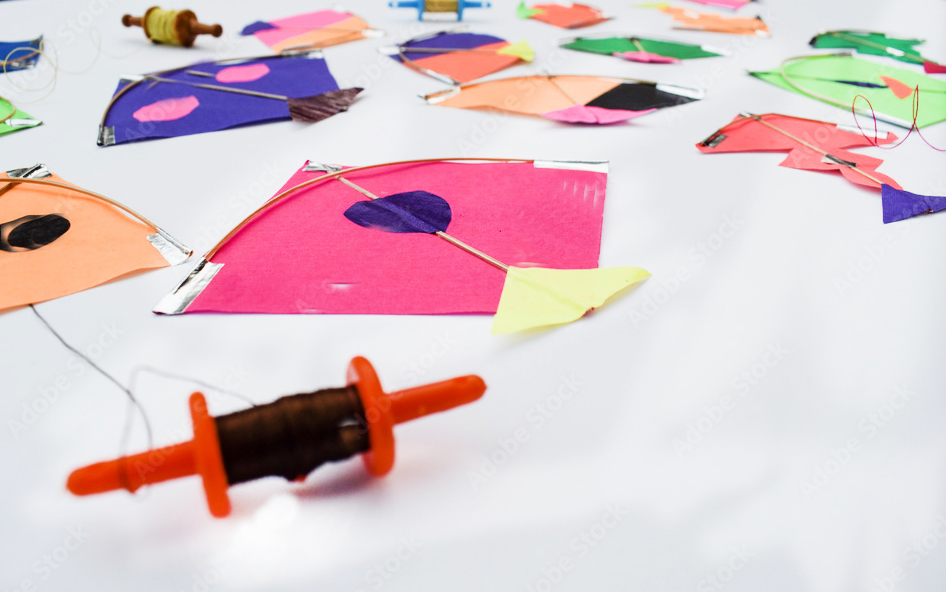
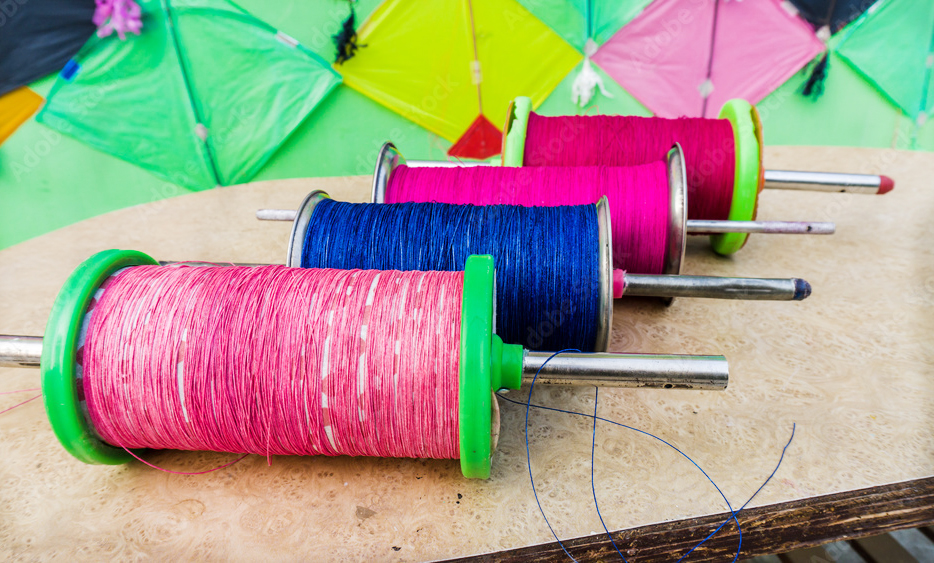
Basant is a spectacular festival, known for its electrifying atmosphere and colorful traditions, that takes place every spring in the region of Punjab, with Lahore at its heart. As the chilly winter gives way to the blossoming season of spring, the skies of Lahore transform into a canvas of vibrant kites. The festival is rooted deeply in Punjabi culture and is seen as a celebration of renewal, positivity, and the beauty of nature.The kite-flying competition is the central feature of Basant. Families and friends gather on rooftops early in the morning to begin this friendly yet fierce competition. The goal is to cut your opponent's kite using your own kite’s string, which requires sharp skill and coordination. As the sun rises higher in the sky, the intensity of the kite battles increases, with participants shouting victory chants like “Bo Kata” each time a kite falls to the ground. The sky fills with countless kites in every color imaginable, creating a breathtaking view.
Location

Primarily celebrated in Lahore and across Punjab, Basant marks the arrival of spring, typically celebrated in February. The festival usually lasts for one day, beginning early in the morning and lasting until sunset.

The Cultural Significance

Basant is much more than just a kite-flying festival; it’s a day where communities come together in unity and celebration. The festival marks the changing of the seasons, signifying hope, new beginnings, and the renewal of life. People don yellow clothing, symbolizing the mustard flowers that bloom across the fields in Punjab during this time. Homes are decorated, and the festival is seen as a time to forget troubles, enjoy life, and appreciate the beauty of nature.

Festivities Beyond Kite Flying

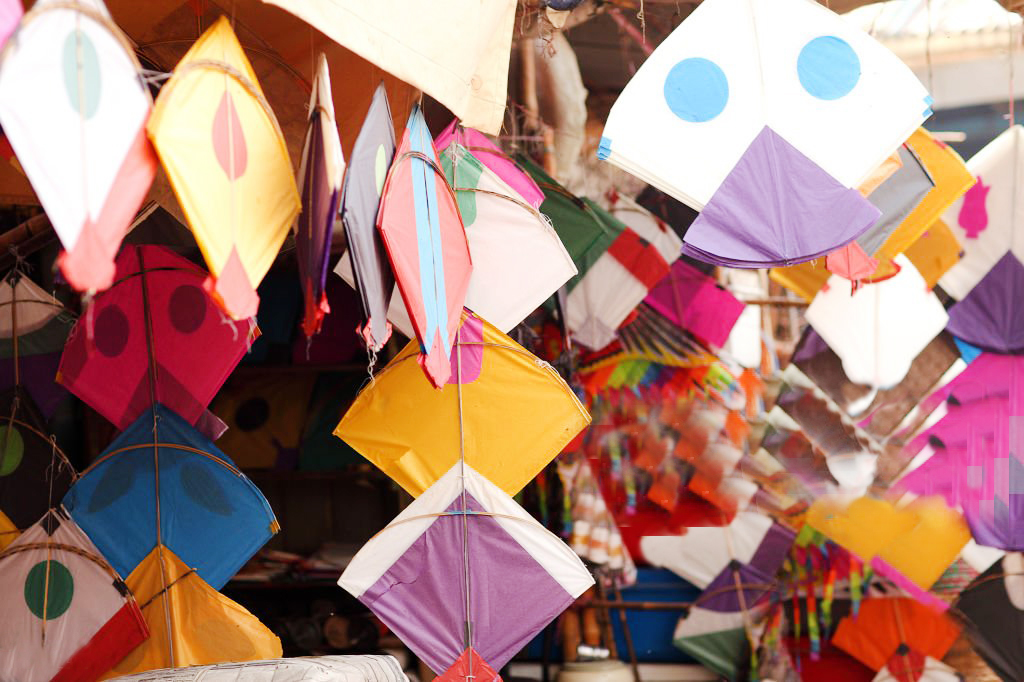
While kite flying is the main event, the Basant festival is also celebrated with a feast of traditional Punjabi foods. The aroma of pakoras (fried fritters), samosas, and the refreshing drink lassi (a yogurt-based beverage) fill the air, adding to the joy of the day. Street vendors set up stalls selling snacks, sweets, and colorful kites for the competitors. Music plays an essential role as well, with Bhangra dance performances and traditional Punjabi songs energizing the crowds. The rhythm of drums and the sight of people dancing in the streets create an uplifting mood throughout the city

The Revival Efforts

In recent years, Basant celebrations have faced restrictions due to safety concerns, especially from the use of dangerous strings, like metal or glass-coated threads, that can cause injuries. Despite these challenges, efforts have been made to revive Basant in a safer way, with stricter regulations on kite materials and organized events to preserve this significant cultural tradition. The revival of Basant not only keeps a joyous festival alive but also nurtures the rich heritage of Punjab, connecting generations to their roots

A Global Attraction

Though primarily celebrated in Lahore, Basant attracts visitors from across Pakistan and even internationally. The festival's infectious energy draws tourists who are eager to experience the sights and sounds of this cultural phenomenon. Many hotels and local businesses prepare in advance, offering special deals and organizing rooftop events for guests to participate in the kite-flying festivities

The Future of Basant

As people become more aware of the dangers associated with unsafe practices, the hope is that Basant can be celebrated responsibly, balancing both tradition and safety. For the younger generation, Basant represents an opportunity to reconnect with their heritage, experience the joy of togetherness, and pass down these traditions for years to come.

Q&A Section

Q: Why is Basant celebrated?

A: Basant marks the arrival of spring, symbolizing renewal, growth, and the vibrancy of life. It is celebrated with kite-flying as a symbol of freedom and joy, representing the high spirits of the season.

Q: Where is Basant primarily celebrated?

A: Basant is most widely celebrated in Lahore, the cultural capital of Punjab. Although other cities in Punjab participate, Lahore remains the heart of the festival.

Q: What activities are associated with Basant?

A: In addition to kite flying, Basant is celebrated with traditional Punjabi food, music, and Bhangra dance performances. Families gather on rooftops for kite-flying competitions, while street vendors sell delicious snacks and vibrant kites.

Q: Why has Basant been restricted in recent years?

A: The festival faced restrictions due to the use of dangerous kite strings, such as metal and glass-coated threads, which caused accidents and injuries. Authorities imposed safety regulations to minimize the risks, but efforts are ongoing to revive the festival responsibly

Q: How can Basant be celebrated safely?

A: To ensure safety, many advocates for Basant suggest using only safe kite materials, avoiding dangerous strings like metal or glass-coated threads, and organizing designated areas for kite flying. Following these guidelines can help minimize accidents and injuries while keeping the spirit of the festival alive.