Sindh Cultural

Description

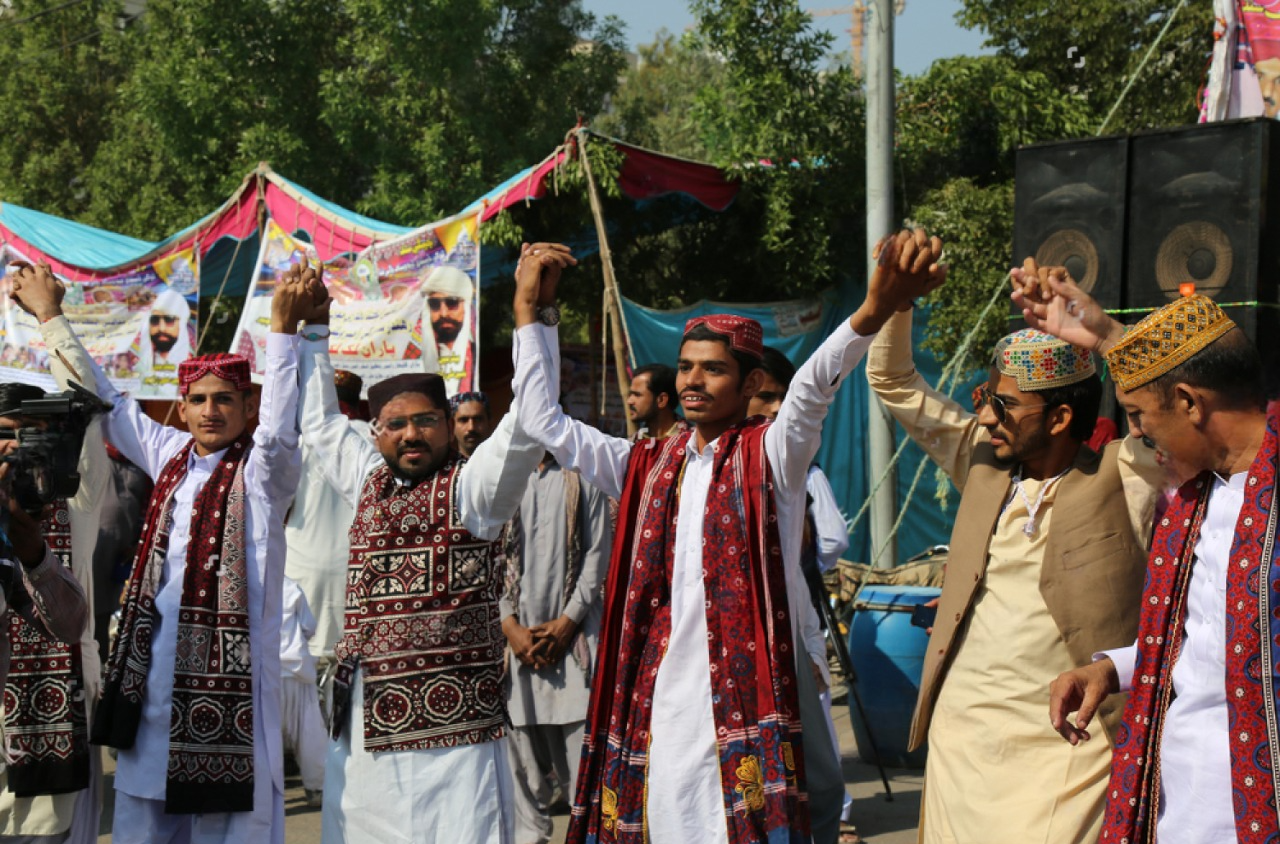
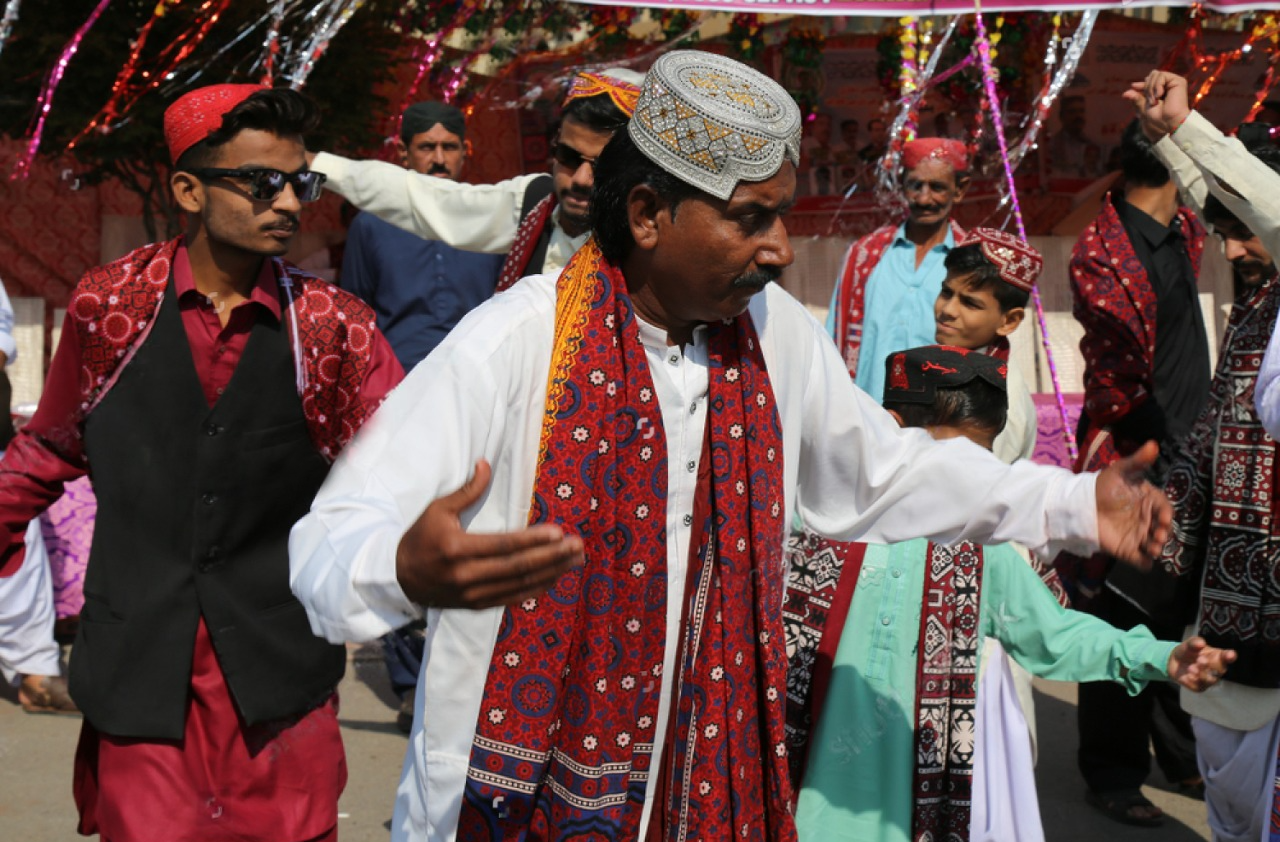
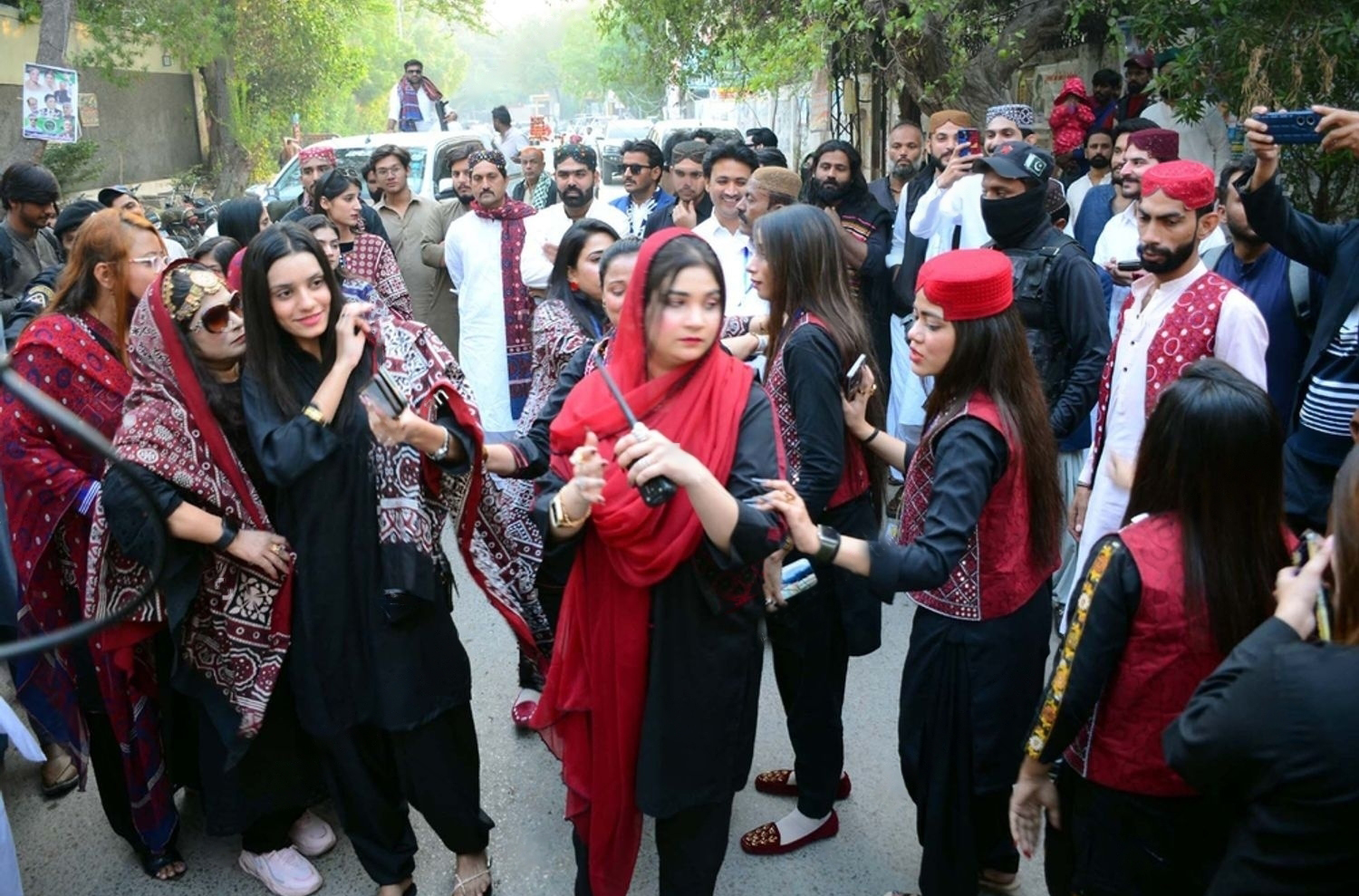
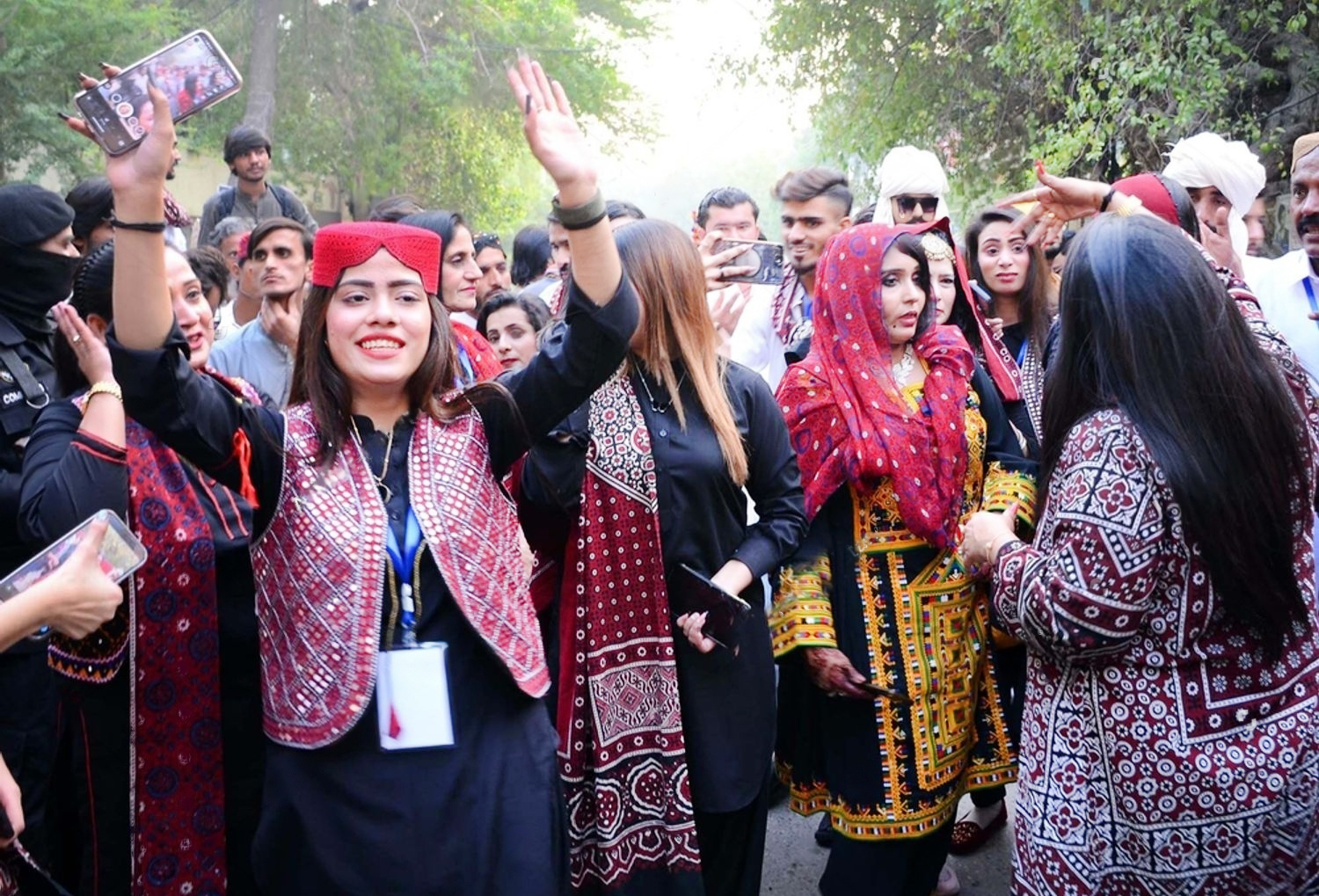
The Sindh Cultural Festival is a vibrant celebration of the rich heritage, traditions, and artistic expressions of the Sindh province in Pakistan. Held annually, this festival showcases the diverse cultural tapestry of Sindh through music, dance, crafts, and culinary delights. The festival aims to promote Sindhi culture, heritage, and traditions while fostering unity among various communities. Participants from all walks of life come together to celebrate their shared identity, creating a lively atmosphere filled with color, music, and joy.

Location

The Sindh Cultural Festival typically takes place in various locations across Sindh, with major events often held in cities like Karachi, Hyderabad, and Larkana. The festival spans several days, usually in February or March, allowing ample time for various cultural activities and performances.
Cultural Significance

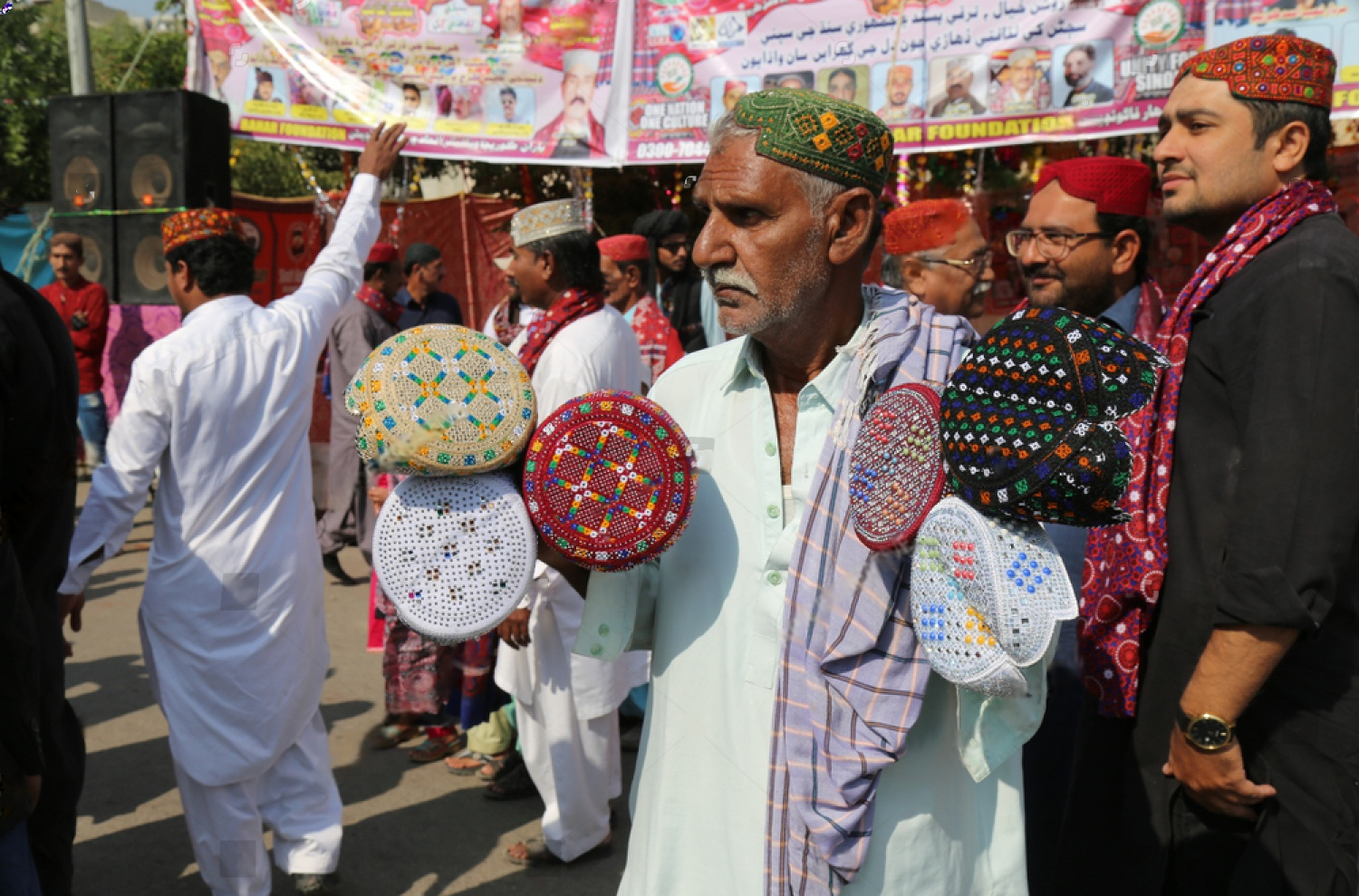
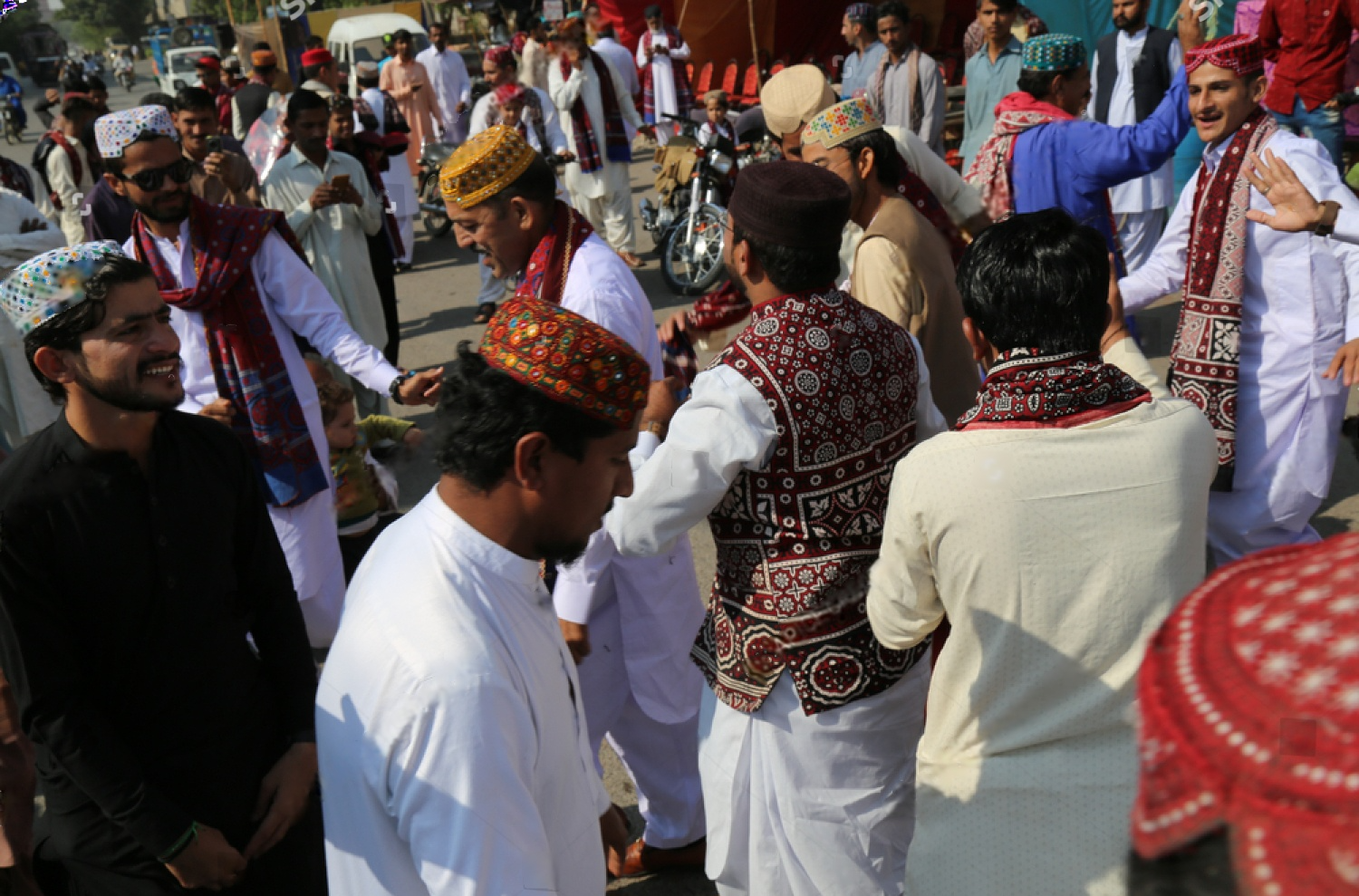
The Sindh Cultural Festival holds immense cultural significance for the people of Sindh. It serves as a platform to preserve and promote the unique traditions and customs of the Sindhi people, including their language, music, dance, and art. The festival provides an opportunity for artists and craftsmen to showcase their work, helping to sustain traditional crafts that might otherwise fade away. By bringing people together, the festival reinforces a sense of community and pride in Sindhi heritage, encouraging future generations to embrace and celebrate their culture.

Festivities Beyond Livestock

The festival features a wide array of activities, including traditional music performances, folk dances such as the popular Sindhi Bhagat dance, and theatrical performances showcasing Sindhi literature. Artisans display their crafts, including beautiful Sindhi embroidery, pottery, and ajrak (a traditional block-printed shawl), allowing visitors to appreciate the skill and artistry of local craftsmen. Food stalls serve a variety of Sindhi delicacies, such as Sindhi biryani, Saag, and sweet dishes like Sindhi sheer khurma, adding a delicious flavor to the festivities.

A Global Attraction

The Sindh Cultural Festival attracts a diverse audience, including local residents and international visitors eager to experience the vibrant culture of Sindh. It provides an opportunity for people from different backgrounds to learn about Sindhi traditions and connect with the local community. As the festival grows in popularity, it contributes to the cultural tourism sector in Sindh, with hotels and businesses benefiting from the influx of visitors during the event.

The Future of the Sindh Cultural Festival

With increasing awareness of the importance of cultural preservation, the future of the Sindh Cultural Festival looks promising. Continued support from local authorities and organizations will help ensure that the festival remains a vital celebration of Sindhi culture. As more people engage with the festivities, there is hope that future generations will continue to cherish and promote their heritage, ensuring that the rich traditions of Sindh endure.

Q&A Section

Q: Why is the Sindh Cultural Festival celebrated?

A: The Sindh Cultural Festival celebrates the rich heritage and traditions of the Sindh province, promoting cultural pride and unity among the Sindhi people.

Q: Where is the Sindh Cultural Festival primarily celebrated?

A: The festival is celebrated in various cities across Sindh, including Karachi, Hyderabad, and Larkana.

Q:What activities are associated with the Sindh Cultural Festival?

A: Activities include traditional music and dance performances, handicraft exhibitions, food stalls featuring Sindhi cuisine, and theatrical performances showcasing Sindhi literature.

Q: What is the cultural significance of the Sindh Cultural Festival?

A: The festival plays a crucial role in preserving and promoting Sindhi culture, allowing artists and craftsmen to showcase their work and encouraging community pride in their heritage.

Q: How is the Sindh Cultural Festival being preserved?

A: Efforts to preserve the festival include engaging youth in cultural activities, promoting traditional practices, and adapting contemporary forms of expression to keep Sindhi culture alive and relevant.