Cultural Significance
For the Kalash community, Chilam Joshi holds immense cultural and religious significance. It is an opportunity to thank their gods for the blessings of the past year and to pray for a prosperous future. The festival also celebrates fertility, which is symbolized through the rituals and offerings made during the event. The Kalash people, known for their distinct customs and ancient polytheistic beliefs, take this time to express gratitude for their unique way of life. Chilam Joshi also serves as a time for community bonding, as it provides a platform for matchmaking and the strengthening of social ties.
Festivities Beyond Rituals
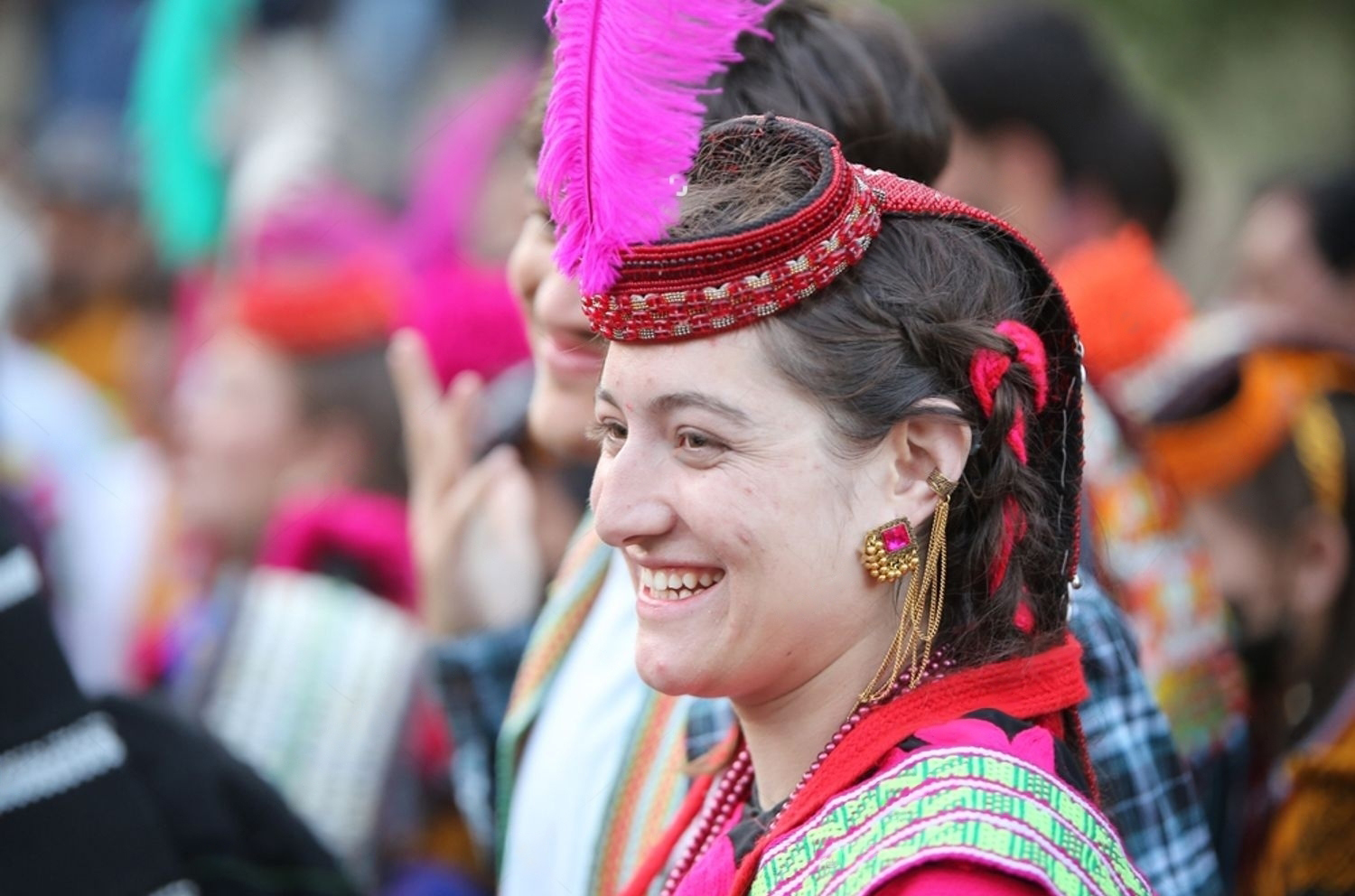
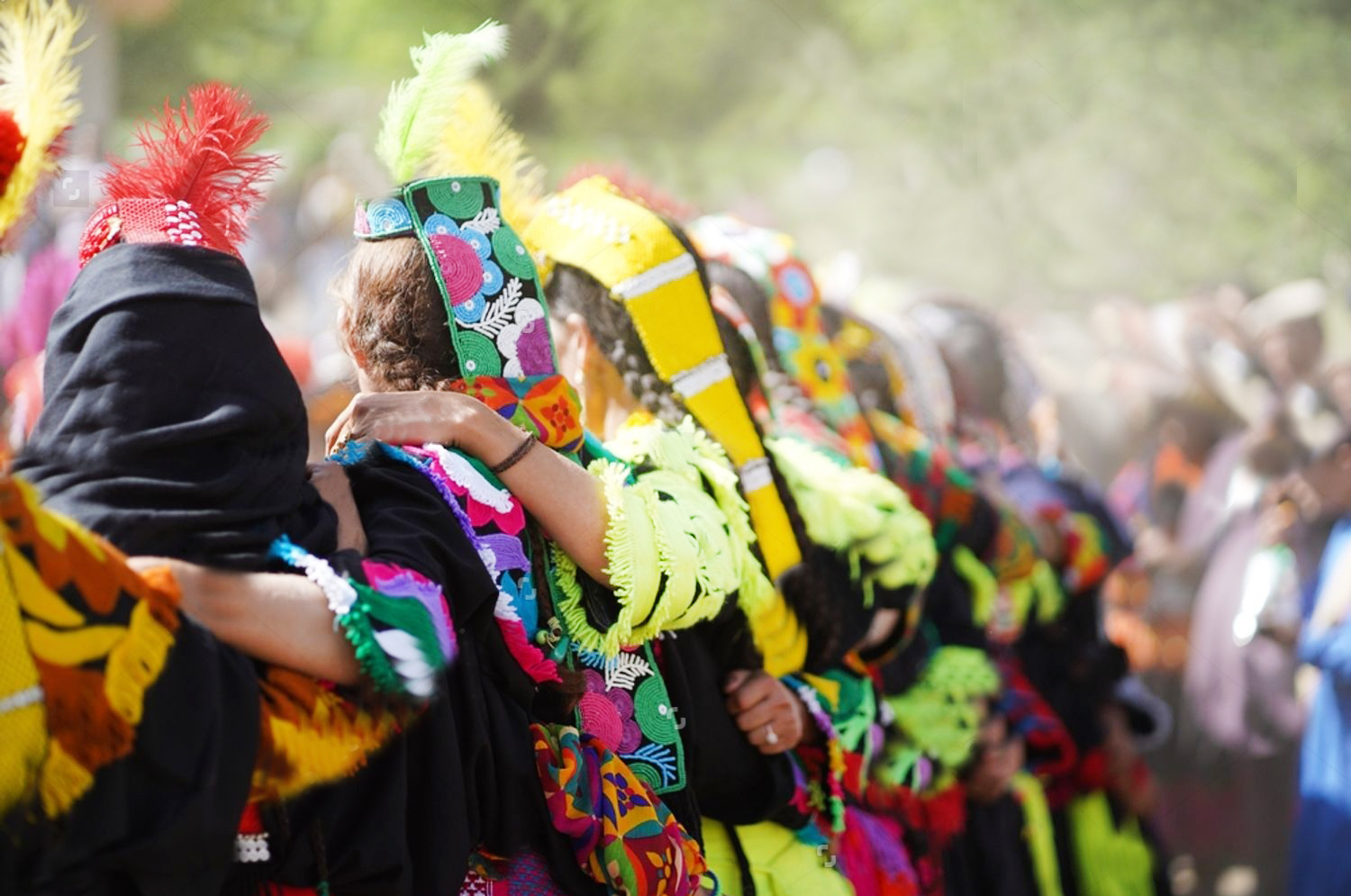
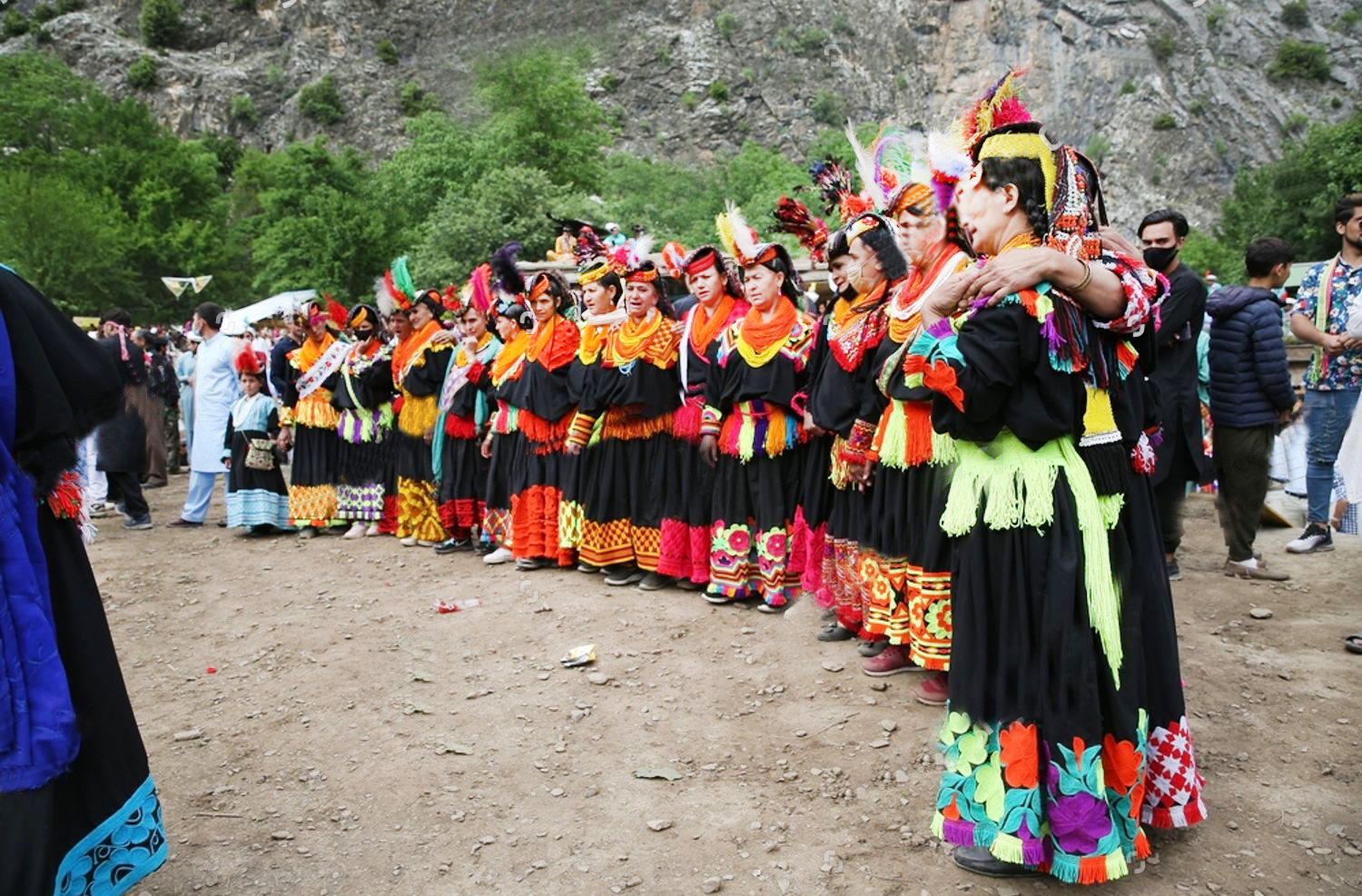
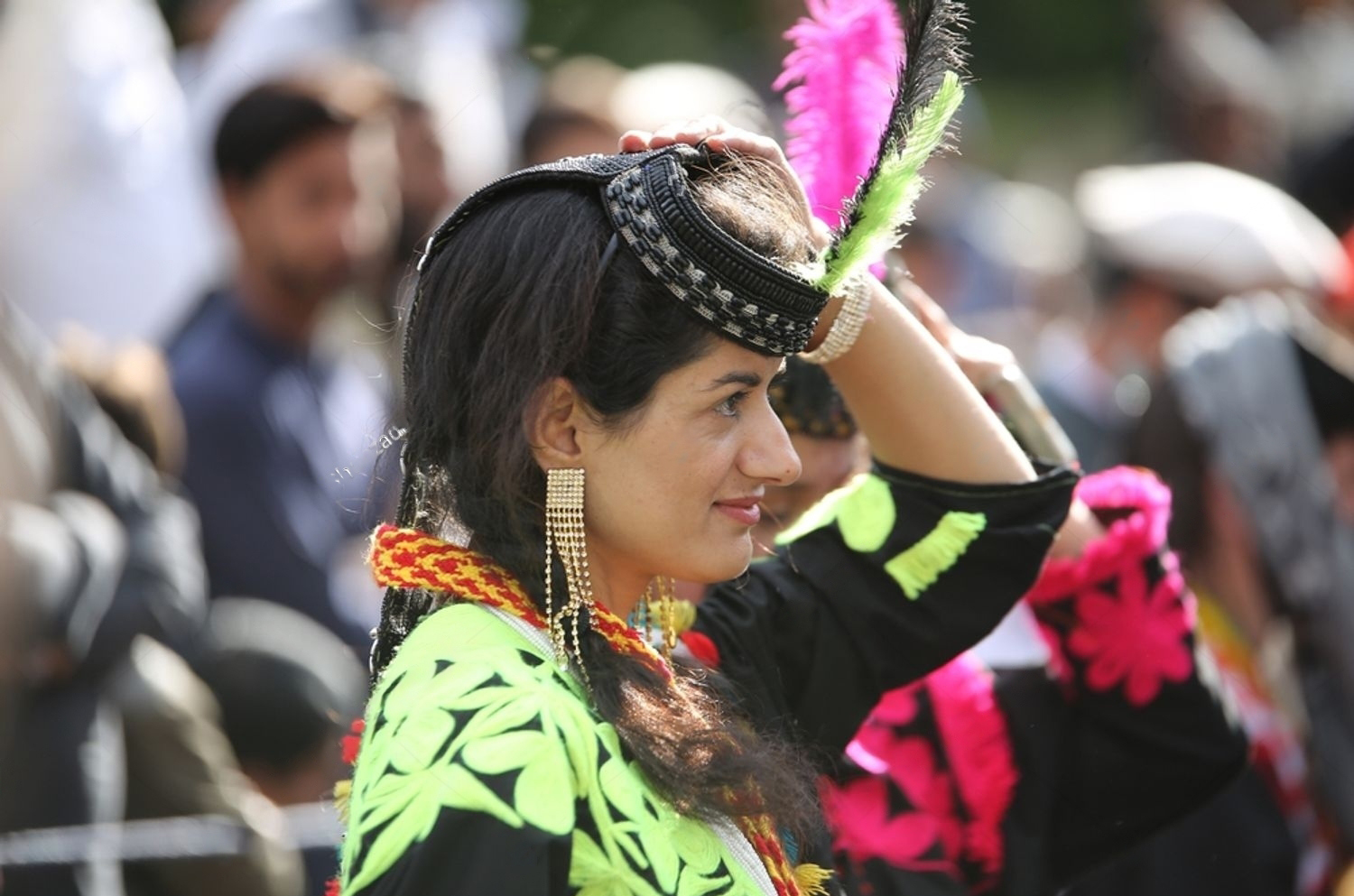
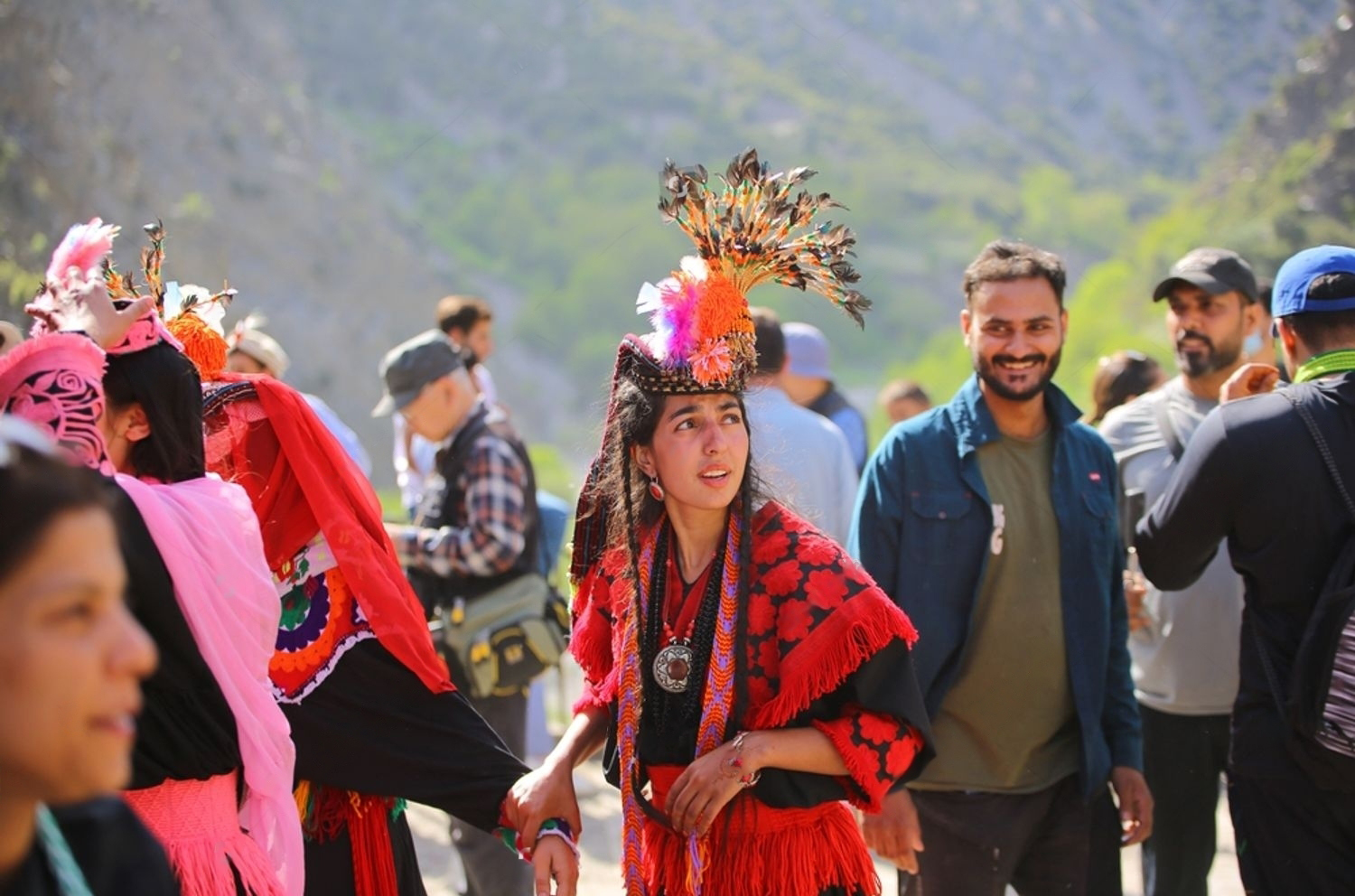
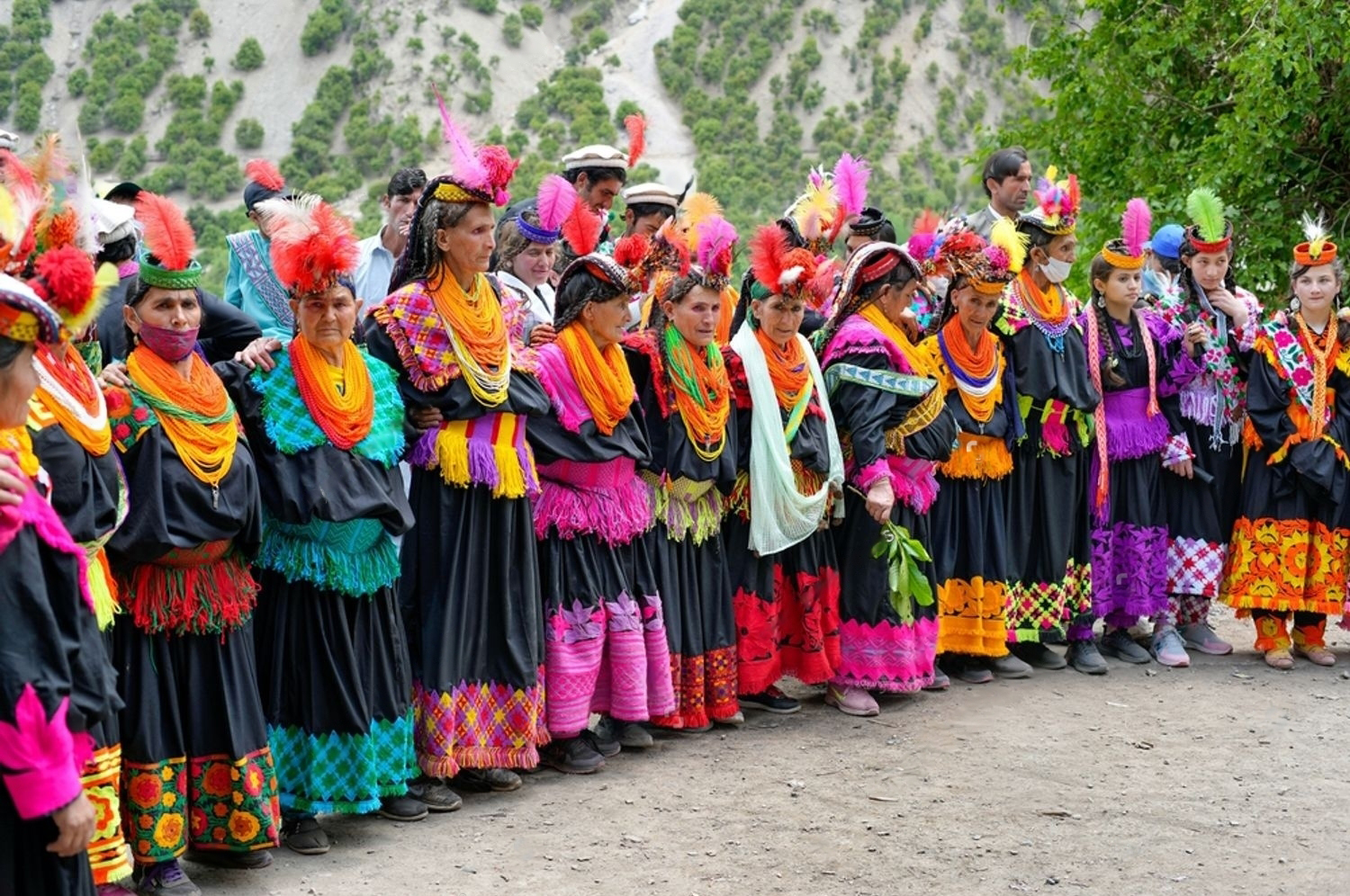
While the religious rituals are central to Chilam Joshi, the festival also features various cultural activities. The Kalash people are known for their colorful traditional dress, and during the festival, women wear intricately embroidered robes and vibrant headpieces made from cowrie shells. The valleys come alive with rhythmic drumming, as men and women form circles and dance together in harmony. Visitors can also explore the Kalash way of life by tasting traditional foods like goat cheese, wheat bread, and mulberry wine, all locally prepared. The festival attracts tourists who wish to witness the unique traditions of one of Pakistan’s smallest and most distinct ethnic groups.
The Revival Efforts
In recent years, the Kalash culture has been under threat due to modernization and the small size of the population. However, efforts have been made by local and international organizations to preserve the unique traditions of the Kalash people. The government of Pakistan has also taken steps to promote Chilam Joshi as a cultural attraction, bringing more awareness to the need to protect the cultural heritage of this indigenous group. With an increasing number of visitors each year, the festival is helping to sustain the Kalash way of life.